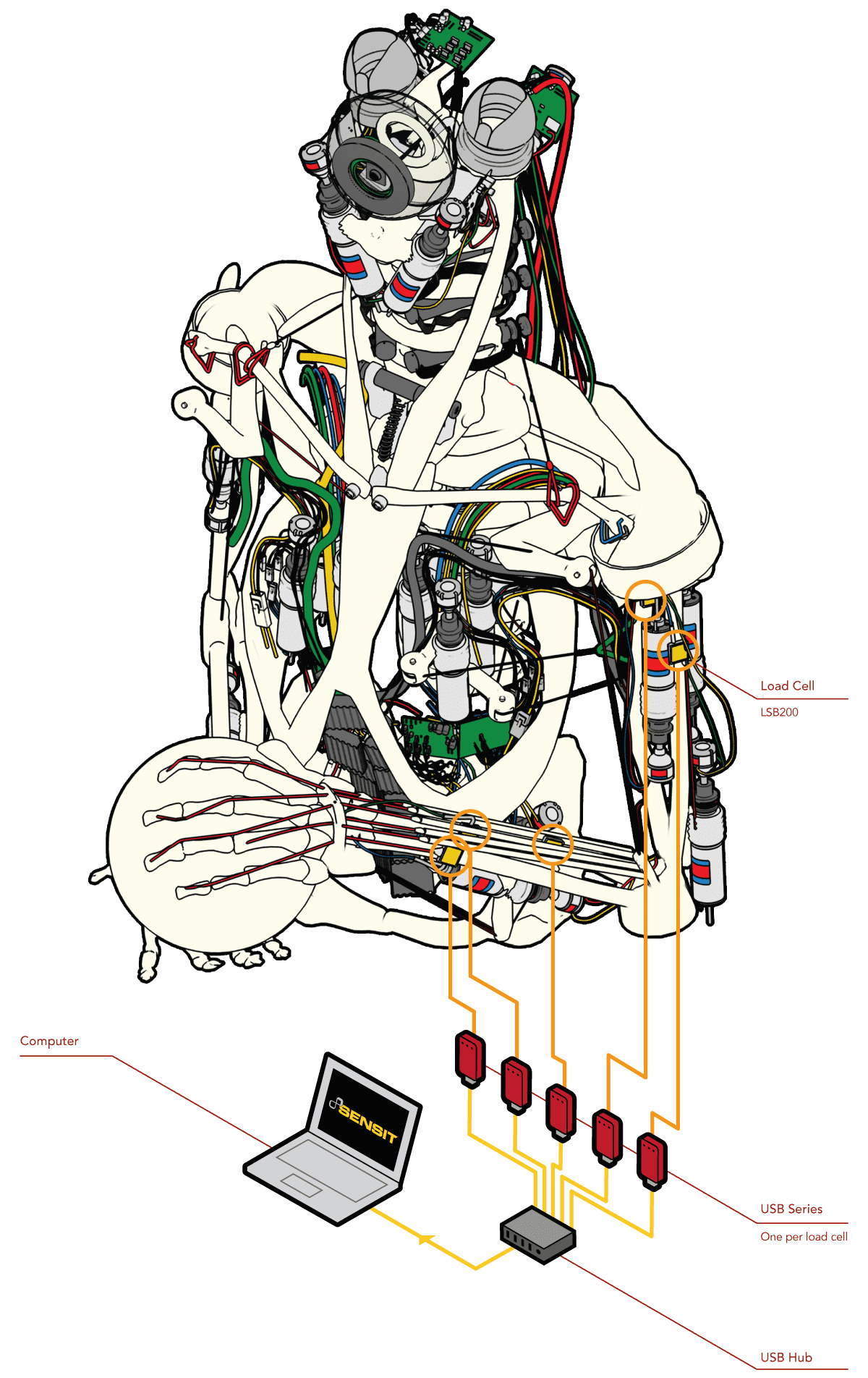
FUTEK partnered with The Robot Studio, a specialist in biometric robotic hardware, to construct a fully functioning humanoid robot. There are over 60 of FUTEK’s LSB200 Jr. Miniature S-Beam Load Cells in operation, monitoring mechanical loads throughout the robot’s movements. For Physical AI / Embodied AI robotics development, distributed load measurement helps capture the physical data behind humanoid motion, including force transfer, structural loading, and movement feedback across limbs, joints, and connective mechanisms.
How it Works
In 2012, The Robot Studio decided to replicate human mechanics by developing the most precise and complex mechanism - a humanoid robot.
While emulating the structure and geometry of human forelimbs, all bones, joints and connective tissue required force monitoring.
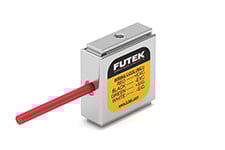
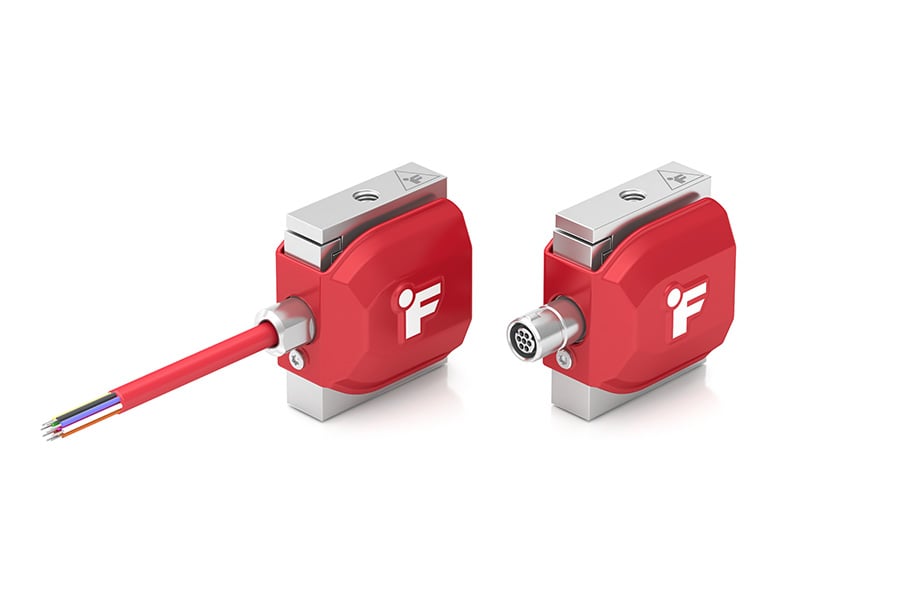
The Robot Studio employed FUTEK's LSB200 Jr. Miniature S-Beam Load Cell to audit the mechanical loads as the humanoid operated.
Being that size constraints were a challenge, the miniature load cell fit perfectly into the architecture of the design and delivered exact force measurements via USB Solutions.
These loads were streamed onto a PC and analyzed through FUTEK's SENSIT™ Test and Measurement Software.
Products in Use
60+ Jr. Miniature S-Beam Load Cells(LSB200) with USB Solutions and SENSIT™ Test and Measurement Software
Contact Us
Please Contact Us with questions.
FUTEK partnered with The Robot Studio, a specialist in biometric robotic hardware, to construct a fully functioning humanoid robot. There are over 60 of FUTEK’s LSB200 Jr. Miniature S-Beam Load Cells in operation, monitoring mechanical loads throughout the robot’s movements. For Physical AI / Embodied AI robotics development, distributed load measurement helps capture the physical data behind humanoid motion, including force transfer, structural loading, and movement feedback across limbs, joints, and connective mechanisms.